ALPS STM269E Smart Module
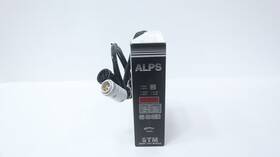
( Brand: Alps ), ( Manufacturer Part Number: STM269E ), ( Part Type: Module ), ( Reference Sku: 1757073 ), ( Product Condition: Used Excellent )
Review ALPS Smart Test Module
The **Alps STM269E Smart Module** is a cutting-edge, high-performance input device module designed to elevate user interaction in a wide range of applications, from industrial automation and medical equipment to consumer electronics and smart home devices. Engineered with Alps signature precision and reliability, this compact yet versatile module integrates a **capacitive touch sensor** with advanced signal processing and microcontroller functionality, making it an ideal solution for manufacturers seeking seamless, responsive, and customizable input interfaces. The STM269E combines a **high-sensitivity capacitive touch pad** with a robust **STM32 microcontroller** (based on ARM Cortex-M0 architecture), enabling real-time data processing, low-power operation, and flexible communication protocols such as I C, SPI, and UART. Its **multi-touch detection capability** allows for intuitive gesture recognition, multi-key scanning, and even force-sensitive input, expanding its utility beyond traditional button-based controls. The module s **self-calibration feature** ensures consistent performance across varying environmental conditions, while its **low-profile design** and **IP67-rated housing** make it suitable for both indoor and rugged outdoor applications. Whether embedded in a **wearable device, a medical monitoring system, or an industrial control panel**, the STM269E delivers a blend of **high accuracy, durability, and software configurability**, allowing developers to tailor its behavior through Alps proprietary **STM Studio software** or custom firmware. With support for **multi-zone sensing, anti-glare coatings, and customizable tactile feedback**, this module stands out as a future-proof solution for next-generation human-machine interfaces.
The Alps STM269E is a compact, wireless smart module designed for IoT applications, particularly in wearables, smart home devices, and other low-power wireless communication needs. Below is a detailed breakdown of its pros and cons, followed by a conclusion and recommendation.
---
**Pros:**1. **Compact and Lightweight Design**
The STM269E is a small form-factor module, making it ideal for space-constrained applications such as wearables (e.g., smartwatches, fitness trackers) or small IoT devices. Its compact size reduces the overall footprint of the product without compromising functionality.
2. **Bluetooth Low Energy (BLE) Support**
The module supports BLE, which is energy-efficient and well-suited for applications requiring low power consumption. BLE is widely adopted in IoT ecosystems, ensuring compatibility with most smartphones, tablets, and other BLE-enabled devices. This makes it easier to integrate with existing platforms like Apple HealthKit, Google Fit, or custom apps.
3. **Low Power Consumption**
Designed for battery-powered devices, the STM269E is optimized for low power usage, extending battery life significantly. This is critical for wearables and remote sensors where frequent battery replacement is impractical.
4. **Easy Integration with Development Tools**
Alps provides development kits, evaluation boards, and documentation to simplify the integration process. The module is often compatible with popular development environments like Arduino (via shields or libraries) or custom firmware development using tools like STM32CubeIDE or Keil. This reduces the learning curve for engineers.
5. **Security Features**
The STM269E includes security mechanisms such as encryption (e.g., AES) and secure pairing protocols to protect data transmission. This is essential for applications handling sensitive information, such as health data or smart home controls.
6. **Global Regulatory Compliance**
The module is designed to comply with global regulatory standards for wireless communication, including FCC, CE, and IC certifications. This simplifies the certification process for manufacturers, allowing them to bring products to market more quickly in multiple regions.
7. **Versatile Connectivity Options**
Beyond BLE, some variants of the STM269E series may support other protocols like ANT (a protocol commonly used in fitness devices) or proprietary wireless standards. This versatility allows for broader application flexibility.
8. **Reliable Performance**
Alps is a reputable manufacturer with a strong track record in wireless components, particularly for consumer electronics. The STM269E is built on robust hardware and software, reducing the likelihood of connectivity issues or failures in the field.
9. **Cost-Effective for High-Volume Production**
While the initial cost per unit may be moderate, the STM269E s efficiency in power consumption and compact design can lead to cost savings in the long run, especially in high-volume production runs. The module s widespread adoption also helps keep prices competitive.
10. **Support for Customization**
Depending on the variant, the STM269E may offer options for customization, such as antenna selection, power management settings, or firmware tweaks. This allows manufacturers to tailor the module to specific application needs.
---
**Cons:**1. **Limited Range**
Like most BLE modules, the STM269E has a relatively short communication range, typically around 10 100 meters in open space, depending on environmental conditions. This can be a limitation for applications requiring long-range communication, such as outdoor sensors or large-scale IoT deployments. For such cases, alternative technologies like LoRa or Zigbee might be more suitable.
2. **Dependence on Battery Life**
While the module is low-power, the overall battery life of the device it s embedded in depends on other components (e.g., sensors, microcontrollers) and usage patterns. Poorly optimized firmware or high-power peripherals can significantly reduce battery life, negating the advantages of the STM269E.
3. **Firmware and Software Complexity**
Developing custom firmware or integrating the STM269E with other systems may require expertise in wireless protocols, embedded systems, and BLE stack management. Without proper knowledge, debugging connectivity issues or optimizing performance can be challenging.
4. **Limited Processing Power**
The STM269E is primarily a wireless communication module and does not include a powerful microcontroller. Heavy computational tasks (e.g., complex sensor processing, encryption, or machine learning) must be offloaded to an external microcontroller or processor, adding complexity and cost to the system design.
5. **Potential Interference Issues**
BLE operates in the 2.4 GHz ISM band, which is crowded with other wireless devices (Wi-Fi, microwave ovens, Bluetooth Classic, etc.). In environments with high interference, the STM269E s performance may degrade, leading to dropped connections or increased latency.
6. **Vendor Lock-In Risks**
Relying on a single vendor for a critical component like the STM269E can pose risks if Alps discontinues the product or changes its pricing or support policies. It s advisable to have backup suppliers or alternative modules in mind for long-term projects.
7. **Development and Prototyping Challenges**
While Alps provides development tools, some users may find the prototyping process time-consuming, especially if they lack experience with BLE or wireless sensor networks. Testing and ensuring reliability in real-world conditions can also be iterative and resource-intensive.
8. **Limited Support for Advanced Features**
The STM269E may not support advanced features like mesh networking, high-speed data transfer, or advanced security protocols (e.g., post-quantum cryptography) that some newer IoT modules offer. For cutting-edge applications, other modules might be more appropriate.
9. **Antenna Considerations**
The performance of the STM269E is highly dependent on the antenna design. Poor antenna placement or selection can lead to weak signals or inconsistent connectivity. Engineers must carefully design the antenna system to maximize range and reliability.
10. **Regulatory and Certification Hurdles**
While the module itself is certified, the final product must undergo its own certification process to comply with regional regulations. This can add time and cost to the product development cycle, particularly for manufacturers new to wireless certification.
---
**Conclusion:**The Alps STM269E is a well-suited choice for applications where compact size, low power consumption, and BLE connectivity are prioritized. It excels in wearables, smart home devices, and other battery-powered IoT applications where simplicity and reliability are key. Its ease of integration, global compliance, and robust security features make it a practical option for developers with moderate expertise in wireless communication.
However, its limitations such as short range, dependence on external processing, and potential interference issues mean it may not be ideal for applications requiring long-range communication, high computational power, or advanced networking features. Engineers should carefully evaluate their project requirements and consider alternatives like Zigbee, LoRa, or other BLE modules if the STM269E s constraints are critical.
---
**Recommendation:** Buy the Alps STM269E if:- Your application is a wearable (e.g., smartwatch, fitness tracker) or a low-power IoT device where BLE is the primary communication protocol.
- You prioritize compact size, low power consumption, and ease of integration with existing BLE ecosystems.
- Your project does not require long-range communication or advanced networking features.
- You have access to development tools and expertise to handle firmware customization and antenna design.
Consider alternatives like:- **Zigbee or Thread modules** (e.g., Silicon Labs EFR32) if your application requires mesh networking or longer range.
- **LoRa modules** (e.g., Semtech SX1276) if you need extended range for remote sensing or outdoor applications.
- **Bluetooth Classic modules** (e.g., CSR8811) if high-speed data transfer is required and power efficiency is less critical.
For most consumer-focused IoT projects, especially those in wearables or smart home automation, the STM269E remains a strong and cost-effective choice. However, always prototype and test thoroughly to ensure it meets your specific performance and reliability requirements.
Details:
Knife Gate Valves. Model Number:STM269E. Roller Chains. Relief Valves.
Line Reactors. Rotary Lobe Blowers.
part #: stm269e price
- $221.90
specifications robotiindustri:
- brand: Alps
- mpn: Stm269e
- part type: Module
- reference sku: 1757073
- product condition: Used Excellent
payments robotiindustri:
- other
- wallet: Paypal
- credit card: Mastercard
general robotiindustri:
- Business Industrial > Industrial Automation Motion Controls > Industrial Robotic Arms
- condition: Used
seller robotiindustri:
- rating: 100.0%
- # reviews: 126268
- city: Delta, Ohio
shipping robotiindustri:
- transit: 5-5 Days
- type: Fixed
- cost: $0.00
- service: Standard, Expedited, Overnight
- class: Standard, Expedited, One-day
offer robotiindustri:
- started: March 31, 2026
- options: Ship-to-home
- quantity: 5
- best offers: True
- sold: 0
- availability: In Stock
returns robotiindustri:
- time: 30 Days
- policy: Returns Accepted
- paid by: Seller
- method: Money back