ROBOTIC PROCESS SYSTEM INC Rps Tinning R.p
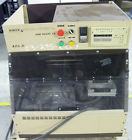
( Brand: Robotic Process System Inc ), ( Type: Tinner ), ( Country/region Of Manufacture: United States )
Review ROBOTIC PROCESS SYSTEM INC Rps Tinning
The Robotic Process Automation (RPA) 25 Tinning R.P is an innovative and advanced solution designed to revolutionize the tinning process in various industries. This product is a robust and versatile robotic arm, specifically engineered to perform tinning tasks with exceptional precision and efficiency.
The RPA 25 Tinning R.P boasts a high degree of flexibility and adaptability, capable of handling a wide range of tinning applications. It features a 25-kilogram payload capacity, ensuring it can handle even the heaviest and most demanding tinning jobs with ease. The robotic arm is equipped with advanced sensors and vision systems, allowing it to accurately and consistently apply tinning material to the desired locations, reducing waste and minimizing the risk of errors.
The RPA 25 Tinning R.P is designed with user-friendly operation in mind. It comes with an intuitive and user-friendly interface, making it easy for operators of all skill levels to program and control the robotic arm. Additionally, the product is equipped with safety features such as collision detection and obstacle avoidance, ensuring a safe and secure working environment.
The RPA 25 Tinning R.P is built to last, with a durable and corrosion-resistant frame that can withstand even the harshest industrial environments. It is also energy-efficient, reducing power consumption and operating costs. This product is not just a tinning solution, but a smart investment for any business looking to increase productivity, reduce costs, and improve the quality of their tinning operations.
Pros of Buying Robotic Process Automation (RPA) for Tinning R.P:1. Increased Efficiency: RPA can automate repetitive and time-consuming tasks, reducing the need for human intervention and increasing overall efficiency.
2. Cost Savings: By automating these tasks, companies can save on labor costs and reduce the risk of human error, leading to potential cost savings.
3. Improved Accuracy: RPA can perform tasks with a high degree of accuracy, reducing the risk of errors and improving the quality of the final product.
4. Scalability: RPA can be easily scaled up or down as needed, making it a flexible solution for businesses of all sizes.
5. Integration: RPA can be easily integrated with existing systems and software, making it a seamless addition to an existing workflow.
Cons of Buying Robotic Process Automation for Tinning R.P:1. High Initial Investment: The cost of implementing RPA can be high, including the cost of software, hardware, and training.
2. Dependence on Technology: RPA relies on technology and can be vulnerable to downtime or system failures, which can impact productivity.
3. Requires Technical Expertise: Implementing and maintaining RPA requires a high level of technical expertise, which may not be readily available within a company.
4. Lack of Flexibility: RPA is designed to automate repetitive tasks, and may not be able to adapt to changes in the workflow or process.
5. Job Displacement: RPA can lead to job displacement for employees who perform repetitive tasks, leading to potential social and economic consequences.
Conclusion: Although RPA for tinning R.P can offer significant benefits in terms of efficiency, cost savings, and accuracy, it is important to consider the potential drawbacks as well. Companies should carefully evaluate their needs and resources before implementing RPA to ensure that it is the right solution for their specific situation. If a company has the necessary technical expertise and resources, and is willing to make the initial investment, RPA can be a valuable tool for improving productivity and reducing costs.
Recommendation: Before making a decision to purchase RPA for tinning R.P, companies should conduct a thorough cost-benefit analysis to determine the potential return on investment. They should also consider the impact on their employees and explore alternative options such as process improvement or redesign before turning to automation. Companies should also invest in training and ongoing support to ensure that the RPA system is implemented and maintained effectively.
Details:
Government-certified electronics supplier.
specifications robotiindustri:
- brand: Robotic Process System Inc
- type: Tinner
- country/region of manufacture: United States
General robotiindustri:
- condition: Used
- in stock: Yes
- business industrial > electrical test equipment > industrial automation control business industrial > Robotics industrial automation control
Offer robotiindustri:
- quantity: 1
- Sold: 0
- Started: April 11, 2017, 9:49 am
- bids: 0
- best offer: true
Ratings:
- Very cool displays, very quick ship. Thank you! 04-02-17
- fast shipping thanks again A A A A A A 04-05-17
- Fantastic, thank you. 04-08-17
- Thank you, Great communication, Fast Shipping 04-03-17
- Outstanding Transaction! Fast/Safe Shipping/Packing! Accurate ! Perf! 04-03-17
Returns robotiindustri:
- details: We offer a 30 day satisfaction guarantee. If you are not satisfied with your item within 30 days of purchase you may return the product for a full refund minus shipping costs. The buyer is responsible for shipping costs to return the item. Please before returning an item.
- time: 30 Days
- paid by: Buyer
- policy: returns accepted
- type: Money Back
Seller robotiindustri:
- zipcode: 68787
- city: Wayne, Nebraska
Payments robotiindustri:
- PayPal
Shipping robotiindustri:
- handling: 2 days
- cost: $2.95
- type: Flat
Robotic Process System Inc Is Similar To:
- 165cf Fanuc Robotic System Controller Complete (41.5% similar) Fang R-2000IB 165CF w R30IA controller complete Robotic System. R30IA controller i-pendant year: hours: see video of robot under power coming soon...(August 14th, 2018)
- -30ia Testing System Ic Lr Robot Fanuc Chip Mate 200ic Robotic Packaging Tested (36.5% similar) Utilizing fang robot, sick 3d sensor. Package comes with fang Lr mate 200IC 5h high speed version robot robot control r 30IA mate color pendant the pendant is a color, internet ready teach pendant revision complete micro chip Robotic handling, test and inspection work cell work cell Robotic cell ...(May 31st, 2015)
- 410500-0840 Denso Wave Robotic Arm Guidance System (51.2% similar) This does not mean the items displayed at and sold through site do work...(August 24th, 2018)
- 420-430 Fanuc Automatic Robotic Palletizing System Robot Palletizer (40.8% similar) ...(March 9th, 2018)
- 6700 Abb Inc Damaged Robotic Arm Irb (38.9% similar) The Robotic arm was dropped during transport and was assessed by a certified technician and deducted that it is not operable and could only be used for parts...(September 15th, 2016)
- 650h Adept Quattro Full Robotic System (51.4% similar) Everything is here, ready to be used. Adept quarto 2009 S650H come with one robot, one CZ smart controller, one adept smart vision ex, and 3 cameras. And t1 controller. The adept quarto S650H parallel robot is specifically designed for high speed applications in packaging, manufacturing, assembly...(July 12th, 2016)
- Mini-hac Aprel Robotic Hearing Aid Compatibility Evaluation System Wireless (34.2% similar) ...(November 13th, 2016)
- Grm2sd-6-45dcs-45-laa Phd Inc Pneumatic Robotic (26.5% similar) Available in 3 sizes, 9 jaw styles, and 6 openings to fit a wide range of clamping applications. The jaws of series gram, design clamp lock in closed position ensuring part retention if air pressure is lost due to line rupture or power loss. I will list the identifying numbers for each item. No ...(March 27th, 2017)
- Grm3sf-1-50dcb-22ddb Phd Inc Pneumatic Robotic (24.4% similar) Six modular designed jaw tips are offered for maximum clamping performance in a variety of applications. Two adjustable hardened steel impact plates eliminate damage from panel. Compact envelope size and high clamp force. Available with fixed or spherical mounting brackets for side rear. Wide and ...(March 26th, 2017)
- Gtp-45-2c Pfa Inc Robotic 3 (38.1% similar) All of the items are clean from a clean, smoke free environment. DEALS4U offers a variety of quality new used items at fraction the cost you would pay elsewhere. See for yourself, check em out. Depending on how your computer monitor color settings are set, actual item may look like a slightly ...(January 7th, 2018)
- M-710ic 50 Fanuc Robotic System W R30ia (48% similar) Specifications:axes: 6PAYLOAD: 50H-REACH: 2050 repeatability. We choose the fastest most economic shipping method based on a items size, weight, and value ratio. A fang - M710IC 50 Robotic arm w R30IA controller fang SYSTEMM710IC controller this listing Includes one arm, controller, set of 15M ...(January 10th, 2017)