NIDA PC130A-2 Board Relay Digital ST-12-K 12VDC 1A 30VDC 5A 120VAC 48V
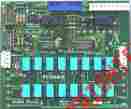
( Brand: Nida ), ( Manufacturer Part Number: PC130A-2 ), ( Model: ST-12-K ), ( Type: 16 Relay Digital Board ), ( Country/region Of Manufacture: Japan ), ( Manufacturer: Takamisawa )
Review NIDA Board Relay 120vac 5a Digital 30vdc 1a 48v 12vdc
The NIDA PC130A-2 Board Relay is a versatile and reliable electronic component designed for various automation and control applications. This 120VAC relay operates at a maximum current of 5A, making it suitable for handling moderate power loads. The ST-12 digital design ensures precise and reliable operation, with 16 relays available on the board.
The PC130A-2 board relay is equipped with a built-in coil that operates on 30VDC, with a maximum current of 1A. This allows for efficient and flexible power control, as the coil can be powered by a variety of voltage sources. In addition, the board also includes two separate 12VDC inputs, designated as ST-12-K, for additional control and flexibility.
The relay contacts are rated for a maximum voltage of 48VDC, making it suitable for use with a wide range of power sources. The contacts are also rated for a maximum current of 1A, ensuring reliable and consistent operation even under heavy load conditions.
The PC130A-2 board relay is built to withstand the rigors of industrial and automation applications. It features a robust and durable construction, with a corrosion-resistant coating to protect against environmental factors. The relay also includes a built-in over-temperature protection feature, ensuring safe operation even in high-stress environments.
Overall, the NIDA PC130A-2 Board Relay is a reliable and versatile electronic component that can be used in a wide range of automation and control applications. Its digital ST-12 design, multiple voltage and current options, and robust construction make it a valuable addition to any automation or control system.
Pros of buying PC130A-2 Board Relay:1. Versatility: This relay is designed to handle both AC and DC voltages, making it a versatile choice for various electrical applications.
2. High Current Capacity: With a 5A AC rating and 1A DC rating, it can handle a decent amount of current, making it suitable for a wide range of loads.
3. Digital Control: The ST-12 digital control allows for precise and reliable operation, reducing the risk of miscommunication or malfunctioning.
4. Multiple Voltage Options: It supports both 12V DC, 48V DC, and 120V AC, allowing for flexibility in system design.
Cons of buying PC130A-2 Board Relay:1. Limited Number of Channels: With only 16 channels, it may not be suitable for applications requiring a larger number of relays.
2. High Cost: Compared to other relays with similar specifications, the PC130A-2 may be more expensive due to its digital control and versatility.
Conclusion:The PC130A-2 Board Relay is a high-quality, versatile relay that offers a wide range of voltage and current options. Its digital control ensures reliable and precise operation, making it a great choice for applications requiring precise control over electrical loads. However, its limited number of channels and high cost may make it a less suitable option for applications requiring a larger number of relays or for those on a tight budget.
Recommendation:If you require a versatile relay with digital control and are willing to pay a premium for its high-quality features, the PC130A-2 Board Relay is a great choice. However, if you need a larger number of relays or are looking for a more cost-effective solution, there may be other options available that better meet your needs. Always ensure that the relay you choose is suitable for the specific application and electrical load requirements to ensure safe and reliable operation.
Details:
This offer is for one working board as described and pictured, containing 16 relays. 15a 48vdc res, 1a 30vdc. These were designed to introduce errors into circuits by cutting continuity on the wires. For the displays, controllers, power supplies, etc.
The relays are marked takamisawa 12vdc st 12 k, rated.
5a 120vac res. A code could be entered on the keypad or from a remote computer activating a specific latching relay and creating one or more faults. All of the components fit into an attache sized desktop trainer. These are still enclosed in classroom desktop electronic trainers.
The students had to determine where the fault was located.
specifications robotiindustri:
- brand: Nida
- mpn: Pc130a-2
- model: St-12-k
- type: 16 Relay Digital Board
- country/region of manufacture: Japan
- manufacturer: Takamisawa
Returns robotiindustri:
- time: 14 Days
- type: Money Back
- policy: returns accepted
- paid by: Buyer
Payments robotiindustri:
- PayPal
Offer robotiindustri:
- best offer: false
- Started: January 21, 2016, 10:17 pm
- # bids: 0
- # Sold: 0
- quantity: 1
Seller robotiindustri:
- city: Chandler, Arizona
- zipcode: 85246
General robotiindustri:
- Business & Industrial > Electrical & Test Equipment > Industrial Automation, Control > Robotics
- condition: Used
- in stock: Yes
Ratings:
- Hope do business with you agian, very good buyer. 01-16-16
- Nice, thanks 01-20-16
- Great communication. A pleasure to do business with. 01-22-16
- As advertiesed. Works fine. 01-14-16
- Fast Shipping, Accurate listing, Great Transaction!! 01-15-16
Shipping robotiindustri:
- type: Calculated
- cost: $6.45
- handling: 2 days