THAYABAREN GANESAN Engineering Flexible Robotic Arm Vision 9783659181771 Robot Design Orthopedic
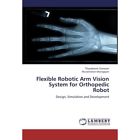
( Brand: Thayabaren Ganesan ), ( Part Type: Arm Robot ), ( Category: Engineering ), ( EAN: 9783659181771 ), ( Manufacturer: Lap )
Review THAYABAREN GANESAN Engineering Flexible Robotic Arm Vision System Orthopedic Robot Design
Engineering Flexible Robotic Arm: Vision Orthopedic Robot Design by Thayabaren Ganesan
Introducing the Engineering Flexible Robotic Arm: Vision Orthopedic Robot Design, an innovative and comprehensive guide written by Thayabaren Ganesan. This book is a must-read for engineers, researchers, and students interested in the field of robotics, particularly in the application of robots in orthopedic surgery.
The Engineering Flexible Robotic Arm: Vision Orthopedic Robot Design provides a detailed exploration of the design, development, and implementation of flexible robotic arms in orthopedic surgery. The author, Thayabaren Ganesan, is an experienced engineer and researcher with a deep understanding of robotics and its applications in the medical field.
The book begins with a comprehensive introduction to robotics, covering its history, evolution, and current state. It then delves into the specifics of flexible robotic arms, explaining their design, materials, and manufacturing processes. The author provides a step-by-step guide to building a flexible robotic arm, complete with detailed diagrams and illustrations.
The second part of the book focuses on the application of flexible robotic arms in orthopedic surgery. It discusses the benefits of using robots in surgery, such as increased precision, reduced invasiveness, and faster recovery times. The author also provides a detailed analysis of the challenges and limitations of using robots in orthopedic surgery, including the need for specialized training and the high cost of the equipment.
The final section of the book is dedicated to the future of flexible robotic arms in orthopedic surgery. It explores emerging trends and technologies, such as machine learning and AI, and discusses how they can be used to improve the design and functionality of flexible robotic arms.
Throughout the book, Thayabaren Ganesan provides real-world examples and case studies to illustrate the concepts discussed. The book is written in a clear and concise style, making it accessible to readers with varying levels of expertise in robotics and orthopedic surgery.
In summary, the Engineering Flexible Robotic Arm: Vision Orthopedic Robot Design by Thayabaren Ganesan is a comprehensive and insightful guide to the design, development, and application of flexible robotic arms in orthopedic surgery. It is an essential resource for anyone interested in robotics and its applications in the medical field.
Pros and Cons of Purchasing "Engineering Flexible Robotic Arm Vision: Orthopedic Robot Design" by Thayabaren Ganesan
Pros:1. Expertise: The book is authored by Thayabaren Ganesan, who is an expert in robotic arm design and engineering. His expertise is evident in the detailed information provided.
2. Practical Approach: The book provides a practical approach to designing and building a flexible robotic arm for orthopedic surgeries. It includes step-by-step instructions and diagrams.
3. Comprehensive: The book covers a wide range of topics related to robotic arm design, including camera systems, actuators, and control systems.
4. Real-World Applications: The book provides real-world examples of robotic arms in use in orthopedic surgeries, making it more relatable and useful for readers.
Cons:1. Technical Complexity: The book may be too complex for beginners or those without a background in engineering or robotics. The technical language and detailed explanations may be overwhelming for some.
2. Outdated Information: As of the publication date, some of the information in the book may be outdated. For example, advancements in technology may have improved upon some of the concepts discussed.
3. Limited Scope: The book focuses primarily on designing a flexible robotic arm for orthopedic surgeries. While this is a valuable application, it may limit the book's usefulness for those interested in other fields of robotics.
Conclusion:"Engineering Flexible Robotic Arm Vision: Orthopedic Robot Design" by Thayabaren Ganesan is a comprehensive guide to designing and building a flexible robotic arm for orthopedic surgeries. While the technical complexity may be a barrier for some, the book's practical approach and real-world examples make it a valuable resource for those with a background in engineering or robotics.
Recommendation:If you are interested in engineering a flexible robotic arm for orthopedic surgeries, this book is a must-read. However, if you are a beginner or have no background in engineering or robotics, you may want to consider starting with a more basic guide before delving into this book. Additionally, it would be beneficial to keep up with the latest advancements in the field to ensure the information in the book is still relevant.
Details:
Thus, a flexible robotic arm with vision system as end effect is designed, developed and tested in real time.
The safety systems of robotic arm consist danger monitoring system dams, obstacle avoidance OAS and fail safe auto recovery SARS. Broken limbs due to accidents can be treated and recovered.
A mobile robotic system known as OTB is designed and developed to aid orthopaedic surgeons be virtually present at such areas for attending patients. Insufficient specialised surgeons in such regions particularly the niche of orthopaedic causes more fatalities and amputees due to time constrain attending patients.
To be present virtually is still insufficient if clearer view not obtained.
The developed mobile robotic platform requires a flexible arm vision system to be controlled remotely by surgeon.
But severed blood vessels results in loss and leads to amputation or even worst fatalities.
specifications robotiindustri:
- brand: Thayabaren Ganesan
- part type: Arm Robot
- category: Engineering
- ean: 9783659181771
- manufacturer: Lap
Returns robotiindustri:
- type: Money Back
- paid by: Buyer
- policy: returns accepted
- details: none
- time: 30 Days
Ratings:
- Fast Shipping! Thanks! 12-06-17
- Just as described. Thank you! 12-08-17
- FRAUD, DOES NOT OWN ADVERTISED ITEMS, WASTE OF TIME 12-06-17
- Great item. Came from prime though. 12-07-17
- Nice to deal with, fast shipping 12-06-17
General robotiindustri:
- condition: New
- business industrial > electrical test equipment > industrial automation control business industrial > robotics industrial automation control
- in stock: Yes
Seller robotiindustri:
- zipcode: 10001
- city: New York, New York
Shipping robotiindustri:
- type: Flat
- handling: 3 days
- cost: $0.0
Payments robotiindustri:
- PayPal
Offer robotiindustri:
- quantity: 2
- bids: 0
- best offer: false
- Sold: 0
- Started: December 8, 2017, 12:36 am