WILEY-IEEE PRESS Robotics Iterative Learning Control Agent 9781119189046 Coordination
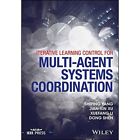
( Brand: Wiley-ieee Press ), ( Part Type: Control ), ( Category: Robotics ), ( EAN: 9781119189046 )
Review WILEY IEEE PRESS Robotics Iterative Learning Control Multi agent Systems Coordination
Robotics: Iterative Learning Control and Multi-Agent Coordination (9781119189046)
This comprehensive book, Robotics: Iterative Learning Control and Multi-Agent Coordination, published by Wiley, delves into the intricate world of robotics with a focus on iterative learning control and multi-agent coordination. The book is a valuable resource for researchers, engineers, and students interested in advancing the field of robotics, particularly in areas of autonomous systems and artificial intelligence.
The book begins by providing a solid foundation in the basics of robotics, including kinematics, dynamics, and control systems. It then moves on to the core topic of iterative learning control, which involves the use of data-driven techniques to improve the performance of robotic systems over time. The authors explore various iterative learning control algorithms and their applications in robotics, providing real-world examples and case studies to illustrate their effectiveness.
The second half of the book focuses on multi-agent coordination, which is the ability of multiple autonomous agents to work together to achieve a common goal. The authors discuss various methods for achieving multi-agent coordination, including decentralized control, consensus algorithms, and game theory. They also cover the challenges and opportunities of multi-agent coordination in robotics, including issues related to communication, cooperation, and competition.
Throughout the book, the authors provide clear and concise explanations of complex concepts, supplemented with numerous diagrams, equations, and examples. The book also includes numerous exercises and problems to help readers apply the concepts they have learned.
In summary, Robotics: Iterative Learning Control and Multi-Agent Coordination is an essential resource for anyone interested in advancing the field of robotics. With its focus on iterative learning control and multi-agent coordination, the book provides a unique perspective on the latest developments in robotics and offers valuable insights into the challenges and opportunities of designing and building autonomous systems.
"Robotics: Iterative Learning Control and Multi-Agent Coordination" by Wiley
Pros:1. Comprehensive: The book provides a comprehensive overview of iterative learning control and multi-agent coordination, two crucial topics in the field of robotics.
2. Practical Approach: It includes numerous practical examples and case studies, making the concepts easier to understand and apply.
3. Updated: The book is recently published (2019), ensuring that the information is up-to-date and relevant to current research and developments in the field.
4. Authored by Experts: The book is written by renowned experts in the field, adding credibility to the content.
Cons:1. Advanced Level: The book is quite advanced, making it challenging for beginners in the field of robotics.
2. Price: The book is quite expensive, which could be a deterrent for some potential buyers.
3. Focus on Theory: While the book provides practical examples, its main focus is on theoretical concepts, which might not be as useful for those looking for hands-on experience.
Conclusion:"Robotics: Iterative Learning Control and Multi-Agent Coordination" is an excellent resource for individuals with an advanced understanding of robotics. The book's focus on theory and practical examples makes it a valuable asset for researchers, academics, and professionals in the field. However, its advanced level and high price might make it less accessible for beginners or those on a tight budget.
Recommendation:If you have a solid background in robotics and are looking for an in-depth exploration of iterative learning control and multi-agent coordination, this book is highly recommended. However, for beginners or those looking for a more affordable option, you might want to consider other introductory books or online resources first.
Details:
part #: 9781119189046 price
- $159.67
specifications robotiindustri:
- brand: Wiley-ieee Press
- part type: Control
- category: Robotics
- ean: 9781119189046
Returns robotiindustri:
- time: 30 Days
- details: none
- type: Money Back
- paid by: Buyer
- policy: returns accepted
Shipping robotiindustri:
- handling: 3 days
- type: Flat
- cost: $0.0
Payments robotiindustri:
- PayPal
Seller robotiindustri:
- zipcode: 10001
- city: New York, New York
Offer robotiindustri:
- best offer: false
- Sold: 0
- quantity: 2
- Started: December 8, 2017, 12:36 am
- bids: 0
Ratings:
- FRAUD, DOES NOT OWN ADVERTISED ITEMS, WASTE OF TIME 12-06-17
- Nice to deal with, fast shipping 12-06-17
- Fast Shipping! Thanks! 12-06-17
- Just as described. Thank you! 12-08-17
- Great item. Came from prime though. 12-07-17
General robotiindustri:
- in stock: Yes
- condition: New
- business industrial > electrical test equipment > industrial automation control business industrial > robotics industrial automation control